By The Agency Oklahoma City
A pre-listing home inspection is one of the most underused tools available to sellers, yet it can make a world of difference in how smoothly a sale unfolds. Rather than waiting to discover issues after a buyer's own inspection, a pre-listing inspection gives you the opportunity to identify and address any potential concerns ahead of time, on your own timeline and terms.
This proactive approach can help prevent last-minute negotiations from arising, reduce the likelihood of a deal falling through, and give buyers added confidence in the condition of your home. For sellers in Oklahoma City who may be weighing whether this extra step is worth the investment, understanding exactly what a pre-listing inspection involves and how it can benefit your sale is a great place to start.
In this guide, we will walk you through what a pre-listing home inspection covers, the benefits it offers sellers, how to handle any issues it uncovers, and how to use the results to your advantage once your property is listed.
Key Takeaways
- A pre-listing inspection identifies issues before buyers do, giving you more control over the process.
- Addressing problems early can prevent last-minute negotiations or deals falling through.
- Sharing inspection results with buyers can build trust and confidence in your listing and lead to offers.
- Not every issue needs to be fixed, but understanding your options helps you make informed decisions.
- A pre-listing inspection can support a smoother, faster closing process overall.
What a Pre-Listing Inspection Covers
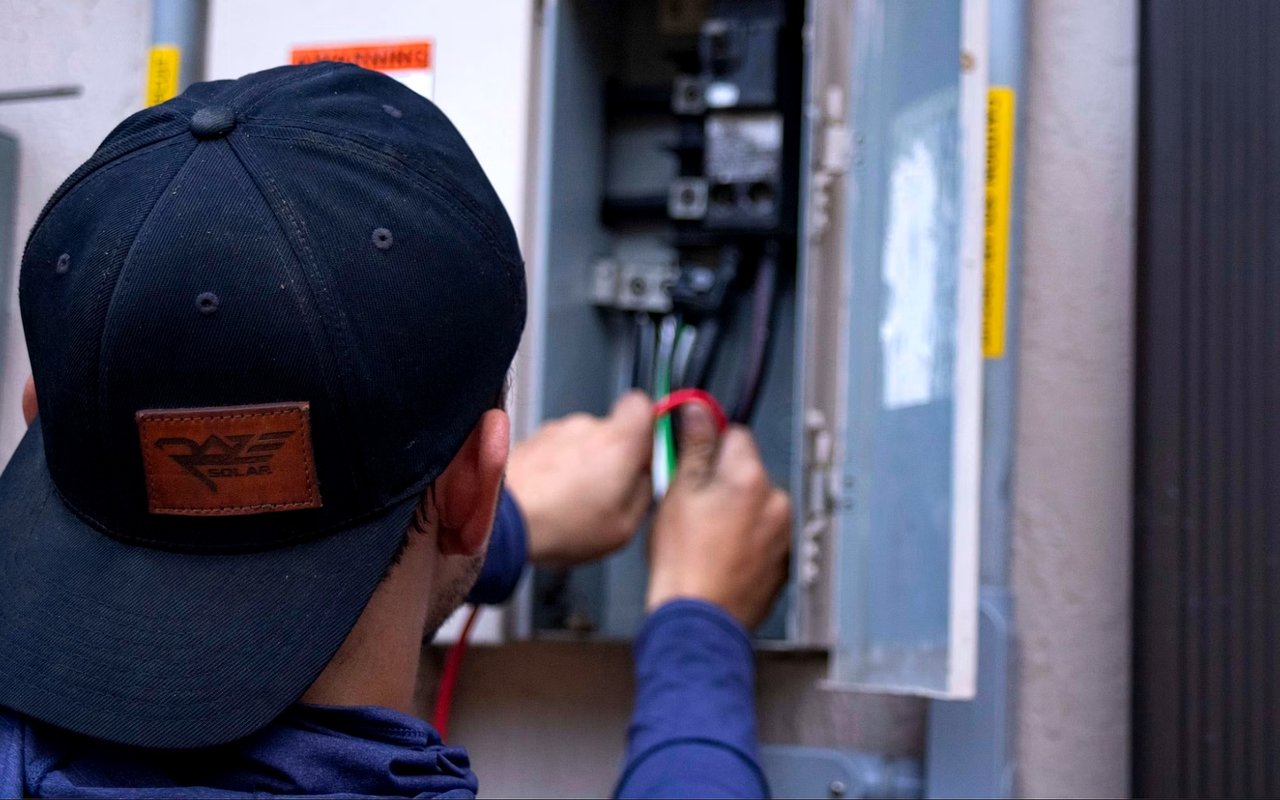
A pre-listing inspection typically follows the same general scope as a standard buyer's inspection, evaluating the home's major systems and structural components. This includes the roof, foundation, electrical and plumbing systems, HVAC, and other key areas that buyers and their own inspectors are likely to examine closely once your home is under contract.
Having this information in hand before listing gives you a clear, objective picture of your home's condition, rather than relying on assumptions or waiting to find out during a buyer's own inspection process. This kind of upfront clarity allows you to plan your next steps with much more confidence.
Having this information in hand before listing gives you a clear, objective picture of your home's condition, rather than relying on assumptions or waiting to find out during a buyer's own inspection process. This kind of upfront clarity allows you to plan your next steps with much more confidence.
What's Included: Areas Typically Covered in a Pre-Listing Inspection
- Roof condition and estimated remaining lifespan.
- Foundation and structural integrity.
- Electrical and plumbing systems throughout the home.
- HVAC system condition and overall functionality.
The Benefits of Inspecting Before You List
One of the most notable advantages of a pre-listing inspection is the ability to address issues on your own timeline, rather than scrambling to resolve them during a tight negotiation window after a buyer's inspection. This proactive approach can prevent the kind of last-minute surprises that sometimes derail an otherwise strong offer.
A pre-listing inspection can also strengthen buyer confidence once your home is on the market. Sharing inspection results upfront signals transparency and can reduce the likelihood that a buyer's own inspection turns up significant surprises, which in turn can lead to fewer renegotiations and a smoother path to closing.
A pre-listing inspection can also strengthen buyer confidence once your home is on the market. Sharing inspection results upfront signals transparency and can reduce the likelihood that a buyer's own inspection turns up significant surprises, which in turn can lead to fewer renegotiations and a smoother path to closing.
Why It Helps
- Identifying issues on your own timeline, rather than under negotiation pressure.
- Reducing the likelihood of last-minute surprises during a buyer's inspection.
- Building buyer confidence through upfront transparency.
- Supporting a smoother, more predictable path to closing.
Deciding How to Handle Issues That Come Up
Once you have your inspection results in hand, the next step is deciding how to address any issues that were identified. Not every item needs to be fixed before listing; some sellers choose to make repairs upfront, while others disclose the issue and adjust the pricing accordingly, allowing buyers to factor it into their own decision-making.
The right approach often depends on the extent of the issue and how it might affect buyer interest. Significant concerns, such as roofing or structural issues, are generally worth addressing before listing, while more minor items can sometimes be left for the buyer to negotiate, depending on your overall pricing strategy.
The right approach often depends on the extent of the issue and how it might affect buyer interest. Significant concerns, such as roofing or structural issues, are generally worth addressing before listing, while more minor items can sometimes be left for the buyer to negotiate, depending on your overall pricing strategy.
What To Consider When Deciding How to Handle Inspection Findings
- The severity of the issue and its likely effect on buyer interest.
- Whether repairing or disclosing and adjusting price makes more sense.
- The cost of repairs relative to their effect on the home's overall appeal.
- How addressing the issues upfront might affect your negotiating position.
Leveraging Inspection Results to Strengthen Your Listing
Once you have addressed any necessary repairs, the inspection results themselves can become a valuable tool in your listing strategy. Sharing a clean inspection report — or documentation of repairs that have already been completed — with potential buyers can set your listing apart and build a stronger sense of trust from the very beginning of the process.
This transparency can also help streamline negotiations, since buyers entering the process with a clear understanding of the home's condition are less likely to request concessions later on. In a competitive real estate market like Oklahoma City's, this kind of upfront clarity can make your listing more appealing relative to others.
This transparency can also help streamline negotiations, since buyers entering the process with a clear understanding of the home's condition are less likely to request concessions later on. In a competitive real estate market like Oklahoma City's, this kind of upfront clarity can make your listing more appealing relative to others.
How To Use the Inspection Results to Your Advantage
- Sharing a clean inspection report with potential buyers.
- Documenting any repairs completed as a result of the inspection.
- Highlighting the proactive step in your listing materials.
- Using the results to support a confident, well-positioned asking price.
FAQs
Is a Pre-Listing Inspection Necessary for Every Home Sale?
The pre-listing inspection step is not required, but it can be a valuable tool for identifying and addressing issues proactively, particularly for older homes or properties with unknown maintenance history.
How Much Does a Pre-Listing Inspection Typically Cost?
Costs vary depending on the size and age of the home, though the investment is generally modest compared to the potential cost of unexpected negotiations later in the process.
Will Buyers Still Want Their Own Inspection if I've Already Had One Done?
In most cases, yes. Buyers will typically still arrange their own inspection after their offer is accepted, but a clean pre-listing report can help set expectations and reduce the likelihood of significant surprises.
Setting Yourself Up for a Smoother Sale
A pre-listing home inspection puts you in control of the selling process by identifying potential issues before buyers do, allowing you to address them on your own terms. From building buyer confidence to reducing the likelihood of last-minute surprises, this proactive step can lead to a smoother, more predictable path to closing.
If you are considering a pre-listing inspection before selling your home in Oklahoma City, we are here to help you weigh your options. Reach out to our team at The Agency Oklahoma City, and we will guide you through every step of preparing your home for a successful sale.
If you are considering a pre-listing inspection before selling your home in Oklahoma City, we are here to help you weigh your options. Reach out to our team at The Agency Oklahoma City, and we will guide you through every step of preparing your home for a successful sale.